
AI-Powered Traffic Cameras and Their Role in Aggravated DUI Arrests
 0
0
 0
0
Traffic enforcement is entering a new phase where cameras do more than record. With artificial intelligence built into modern monitoring systems, many cities can now detect risky driving patterns faster, document incidents more clearly, and support investigations with stronger evidence. This shift matters in serious impaired driving cases, especially when the situation escalates beyond a standard DUI into an aggravated charge. AI-powered traffic cameras are not replacing police officers, but they are reshaping how aggravated DUI arrests begin, how evidence is gathered, and how cases move forward.
What Makes a Traffic Camera “AI Powered”
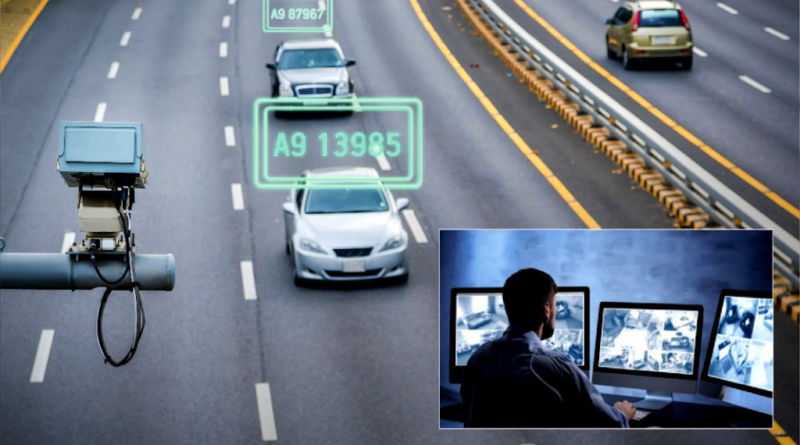
Traditional traffic cameras capture footage that must be reviewed by a person. AI-powered cameras add a layer of automated analysis. Using computer vision and pattern recognition, these systems can identify behaviors that often correlate with dangerous driving. They may flag lane drifting, sudden braking, wrong-way driving, near collisions, high-speed driving in restricted zones, or a vehicle stopping oddly at intersections.
Some systems also match footage with other data sources, like time stamps, location mapping, and license plate recognition. When multiple signals line up, the software can create an alert for traffic management teams or law enforcement. The goal is early detection and better documentation, not instant guilt.
How AI Cameras Can Trigger an Investigation
An aggravated DUI arrest usually starts with reasonable suspicion, followed by a traffic stop and an officer’s observations. AI cameras can help by creating an earlier and clearer record of what happened before the stop.
For example, a camera might capture a vehicle swerving across lanes over a long stretch of road, then running a red light, then nearly colliding with a barrier. Instead of relying only on a single moment seen by an officer, the incident can be supported by a timeline that shows repeated unsafe actions. That timeline can be especially relevant when prosecutors argue that a driver posed an increased risk to public safety.
In some areas, AI camera alerts can also direct officers toward a location faster, which can reduce response time when the driving behavior suggests an immediate threat.
Evidence Quality and Why It Matters in Aggravated DUI
Aggravated DUI charges can involve factors such as driving with a suspended license, having a child in the vehicle, high blood alcohol concentration, repeat offenses, or causing injury. In these cases, evidence tends to be heavily scrutinized.
AI-powered traffic camera footage can support several key questions:
· Was the vehicle actually being driven in a dangerous way
· Did the behavior continue over time or appear as a single mistake
· Were other road users put at risk
· Was the driver’s control of the vehicle visibly impaired
This does not mean video proves impairment on its own. DUI is still typically supported by officer observations, field sobriety testing, chemical testing, and other investigative steps. But high-quality footage can strengthen the overall narrative, particularly if the defense challenges the reason for the stop or argues the driving pattern was misinterpreted.
License Plate Recognition and Vehicle Tracking

Many AI camera systems include automatic license plate recognition. This can help confirm the identity of a vehicle involved in a report, connect a vehicle to a time and place, and locate a car that left the area. In a severe crash or hit-and-run scenario involving suspected impairment, that capability can be crucial.
However, this also raises privacy concerns. Communities and courts often debate how long data should be stored, who can access it, and whether the technology is being used proportionally. Good policy matters as much as good hardware.
Real World Relevance for Arizona Drivers
If you are researching aggravated DUI Arizona, it helps to understand that technology may influence the earliest stages of a case. Footage can shape the justification for a stop, clarify what officers responded to, and provide context for the alleged driving conduct. That can affect everything from charging decisions to plea negotiations to trial strategy.
At the same time, AI is not perfect. Lighting, weather, camera angles, or software limitations can lead to incorrect flags. A responsible legal process should allow for challenges to accuracy, system calibration, data handling, and chain of custody. When footage is used, both sides may examine how it was captured, stored, and interpreted.
What This Means Going Forward
AI-powered traffic cameras are likely to become more common as cities pursue safer streets and faster incident response. In aggravated DUI cases, they can provide earlier detection, stronger documentation, and clearer timelines. But they also require strict oversight, transparency, and careful courtroom evaluation.
For anyone facing or studying aggravated DUI in Arizona, the big takeaway is simple. Technology can add powerful context to a case, but it should never replace fair investigation standards.
Artificial Intelligence – The Data Scientist