
From EHR to AI: Exploring the Evolution of Healthcare Software Solutions
 0
0
 0
0
Over the past 20 years, the healthcare industry has rapidly undergone a digital revolution. The way healthcare providers manage care has altered as a result of the transition from paper charts to digital systems. What began as simple electronic documents has developed into sophisticated systems driven by analytics and automation.
Better clinical results, patient involvement, and operational efficiency are now all dependent on healthcare software. The importance of software development partners only increases as this evolution progresses.
2000s: The Foundation – EHR Systems Take Off
The journey began with Electronic Health Records (EHRs). Hospitals and clinics adopted these systems to digitize paper-based documentation. The goal was simple—reduce paperwork, improve access, and ensure legibility.
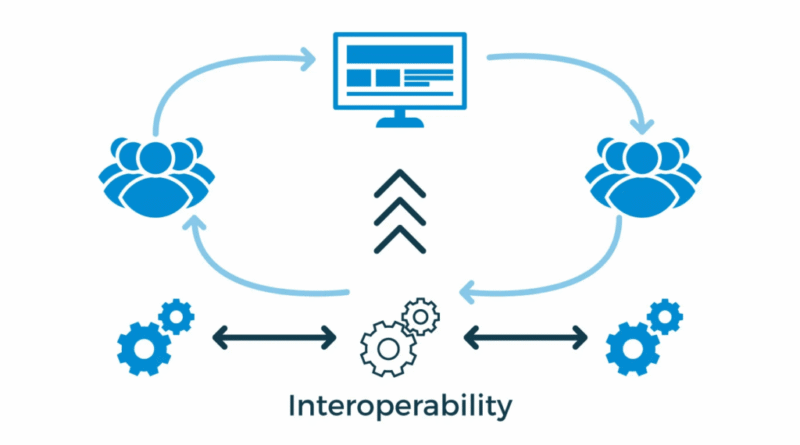
Early EHRs helped streamline administrative tasks. However, they were not without issues. Many systems lacked interoperability, making it hard to exchange patient data between departments or providers.
The interfaces were often tricky to use. Clinicians found them more of a burden than a support tool. As a result, adoption was slow, and satisfaction was low.
2010s: Integration and Interoperability Take Center Stage
With time, the need for better-connected systems became urgent. Different platforms like billing, lab results, and imaging need to talk to each other. Healthcare systems require integration, not isolation.

This led to the development of integrated health record systems. Data standards like HL7 and FHIR enabled smoother communication between different platforms. The introduction of an HL7 interface engine helped convert and transfer data seamlessly.
This phase also saw the growth of telemedicine. During the COVID-19 pandemic, virtual consultations became essential. Today, telehealth remains a staple. Clinics now work with a telemedicine app development company to create secure and accessible virtual care platforms.
Wearables entered the picture too. Remote patient monitoring became possible. These devices collect real-time vitals and sync with EHRs, giving doctors timely insights. This setup improved care for patients with chronic conditions.
Mid to Late 2010s: Automation and Data-Driven Decisions
As systems matured, automation became a key feature. Robotic Process Automation (RPA) took over repetitive tasks like billing, appointment reminders, and claims processing. It reduced manual work and improved efficiency.
This also applied to patient engagement. Automated follow-ups and reminders made it easier to manage care continuity. Admin teams spent less time on the phone and more on strategic work.
Another milestone was the rise of business intelligence. Healthcare data analytics services started offering visual dashboards. These tools helped providers track key metrics like patient outcomes, appointment trends, and operational gaps.
Clinicians benefited too. Analytics flagged high-risk patients and suggested follow-up care. Decision-making became faster and more informed.
Custom tools also gained popularity. A custom healthcare software development company can create systems tailored to specific practice needs. For example, chronic care centers can get platforms that track vitals, send alerts, and manage care plans all from one dashboard.
2020s: AI Enters the Clinical Landscape
Today, AI is redefining healthcare software. Predictive models identify patient risks early. They help forecast readmission chances or detect early signs of chronic illness.
Hospitals now use predictive analytics to manage beds, staff, and resources better. These insights reduce costs and improve preparedness.
AI has also revolutionized diagnostics. Platforms powered by machine learning analyze medical images with precision. Radiologists use these tools to detect anomalies faster and more accurately.
Clinical Decision Support Systems (CDSS) offer recommendations based on patient data. These tools help doctors make safer and quicker decisions.
Natural Language Processing (NLP) tools handle unstructured data like clinical notes. They extract vital information, flag risks, and support automated charting. Voice-to-text features also speed up documentation without sacrificing accuracy.
Patient engagement saw upgrades too. AI chatbots now manage appointment booking, follow-ups, and FAQs. Mental health platforms use AI-driven messaging to provide support and monitor moods. All this adds a layer of responsiveness to the care experience.
Emerging Trends: The Future of Healthcare Software
Healthcare continues to move toward value-based care. This model focuses on outcomes, not just services. As a result, software must now support holistic, patient-centered strategies.
This includes apps that promote patient education and self-monitoring. Solutions must be intuitive, secure, and actionable.
Data visualization is becoming crucial. Interactive dashboards turn raw numbers into meaningful visuals. Clinicians can review trends without digging into spreadsheets. Real-time views also allow quicker decisions.
Security remains a priority. With sensitive health data at stake, compliance with regulations like HIPAA is essential. Encrypted APIs and secure cloud storage are no longer optional.
Cross-platform support is gaining traction. Healthcare providers want systems that work on mobile, desktop, and cloud. Solutions should offer seamless experiences across locations. A provider may check vitals on a mobile app during rounds and follow up later from a desktop.
Cloud-native applications offer speed, flexibility, and scale. Remote access also makes it easier to collaborate and provide care across networks.
The Role of Software Development Partners
The evolution of healthcare software wouldn’t be possible without development partners. These companies provide the technical foundation to support modern care.
A fitness app development company, for instance, designs platforms for wellness tracking. They help users monitor heart rates, steps, and sleep. The same approach can be tailored for clinical-grade monitoring as well.
Healthcare software companies offer end-to-end services—from discovery and design to deployment and support. They help clinics build EMRs, mobile apps, patient portals, and AI tools.
Custom solutions have become essential. No two healthcare providers have the same workflow. Developers now create tools based on specialty, region, and care model.
Scalability and compliance are built in. Solutions are designed with HIPAA, GDPR, and other local regulations in mind. This ensures both safety and trust.
Usability is a top priority. Interfaces are created for both clinicians and patients. A good user experience improves adoption and leads to better outcomes.
Conclusion: Preparing for What’s Next
The path from basic EHRs to intelligent healthcare platforms has been long and eventful. What began as a way to store records now helps save lives, reduce costs, and improve care quality.
Software is no longer just a tool; it’s a vital part of modern healthcare. With solutions like EPIC Integration, automation, and intelligence, care delivery has been transformed into a more connected and efficient process.
Healthcare organizations need partners who understand this evolution. The right software development company can offer solutions that are innovative, secure, and ready for the future.
As we move forward, collaboration between care providers and software experts will be key. Together, they can shape systems that meet clinical goals and improve the patient journey.
Artificial Intelligence – The Data Scientist