
How Algorithms Are Revolutionising the Way We Shop Glasses Online
 0
0
 0
0
The eyewear industry spent most of its history built around a model that required physical presence. You needed to be in the room to try the frame, confirm the fit, and walk out with something that worked. The prescription added another layer of professional dependency that made self-service retail seem implausible for anything beyond simple reading glasses.
That model is being dismantled, not by convenience alone, but by a layer of algorithmic infrastructure that has made buying glasses online reliable enough to trust with one of the most personal and functionally critical purchases most people make. The shift is happening faster than the optical retail sector anticipated, and the data science driving it is considerably more sophisticated than most buyers realise.
The Data Science Behind Virtual Try-On Technology
Virtual try-on at its current level of accuracy is not a feature. It is a pipeline of machine learning models working in sequence, each responsible for a specific layer of the problem.
The entry point is facial landmark detection. Models trained on millions of annotated face images identify anatomical reference points across the face in real time, typically between 68 and 468 points depending on the precision required by the downstream task. These landmarks define the geometry of the face numerically: the interpupillary distance, the width at the temples, the height of the nose bridge, the angle of the ears relative to the eye plane.
From this geometric data, a depth model reconstructs a three-dimensional surface map of the face. Earlier systems required stereo cameras or structured light projection to achieve this. Current models infer depth from a single RGB camera input using learned priors from large three-dimensional face datasets, which brings the capability to any modern smartphone without specialist hardware.
The three-dimensional frame model is then rendered onto this surface using physically based rendering techniques that account for material properties, lens tint, reflective coatings, and the ambient lighting conditions estimated from the camera feed. The result is a frame overlay that scales correctly to the face, moves with natural head motion, and approximates how the physical product would sit in a way that earlier flat-overlay approaches could not.
Predictive Analytics in Frame Recommendation Engines

The recommendation layer that sits above the try-on experience is where predictive analytics changes the shopping dynamic most fundamentally. Rather than presenting a catalogue and expecting the buyer to filter it manually, modern recommendation engines build a model of the buyer from available signals and surface the frames most likely to result in a successful purchase.
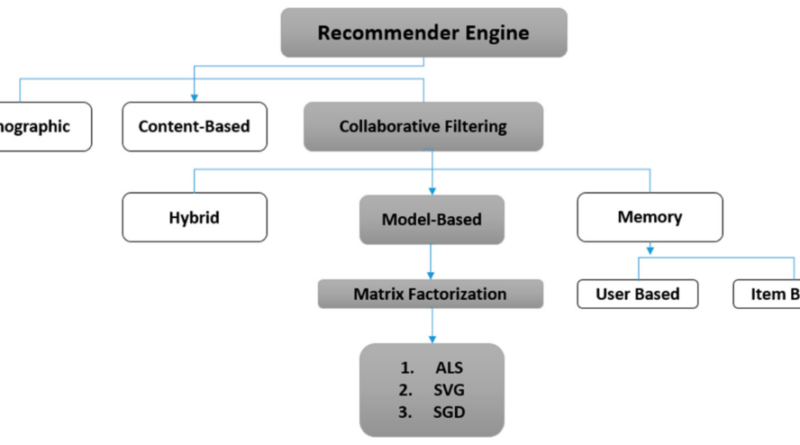
The input signals vary by platform maturity. At the simpler end, face geometry extracted from the try-on session drives recommendations filtered against frame measurement data, removing options that would sit incorrectly on the buyer’s face before they are ever shown. At the more sophisticated end, signals include browsing history, previous purchase data, stated preferences, and behavioural patterns such as dwell time on specific frame styles, all fed into collaborative filtering models that identify the frames most likely to appeal based on what buyers with similar profiles have selected.
The practical effect for buyers of glasses online is a substantially narrowed and more relevant frame set compared to browsing an unfiltered catalogue. The practical effect for retailers is a reduction in returns driven by purchases that looked good on-screen but did not match the buyer’s actual preferences when the product arrived.
How Computer Vision Ensures Precision for Prescription Glasses
Prescription glasses introduce an accuracy requirement that goes beyond frame aesthetics. The optical centres of the lenses must be positioned to within a millimetre or two of the pupil centres for the prescription to perform correctly, and the prescription values themselves must be entered without transcription error for the lenses to be made to the right specification.
Computer vision addresses both of these requirements in ways that were not technically viable five years ago. Optical character recognition models trained specifically on prescription document formats extract sphere, cylinder, axis, add power, and pupillary distance values from a photograph of a written prescription with high accuracy. The extracted values populate the order form directly, removing the manual entry step where errors most commonly occur.
For pupillary distance specifically, the face geometry extracted during the virtual try-on session provides an estimated PD value that the ordering system can use directly. The accuracy of camera-estimated PD has improved to the point where it is within the clinically acceptable tolerance for most single vision prescriptions, though higher prescriptions and varifocal lens orders typically still benefit from a professionally measured value due to the tighter centration requirements those lenses impose.
The Shift From Brick-and-Mortar to Data-Driven Optical Retail
The optical retail sector has been one of the more resistant categories to online disruption, for reasons that were technically legitimate for longer than in most other retail verticals. The fitting requirement, the prescription dependency, and the eye health dimension of the purchase created genuine barriers that pure e-commerce could not adequately address through convenience and price alone.
The algorithmic layer has changed the calculation. Virtual try-on that approximates physical fit assessment, automated prescription capture that removes transcription error, recommendation engines that pre-filter for face fit and personal style, and returns policies backed by the data confidence that these systems provide have together reduced the purchase risk of buying glasses online to a level where the price advantage of online retail is no longer offset by uncertainty about outcome.
The physical optical practice has responded by repositioning around what the algorithmic layer cannot replicate. Clinical eye health assessment, complex fitting adjustments, varifocal dispensing, and paediatric eyewear remain contexts where physical professional presence adds value that no current system substitutes. The commodity transaction of a standard single vision frame in a current prescription has moved online, and the data infrastructure that enabled that shift is mature enough that the direction is not reversible.
Future Trends: AI-Powered Pupillary Distance Measurements
The most technically active area of development in e-commerce eyewear is PD measurement from device cameras, and the gap between current capability and clinical-grade accuracy is narrowing in ways that will affect the prescription glasses online market significantly.
Current camera-estimated PD relies on facial geometry models that infer depth from a single image, which introduces error from the two-dimensional projection of a three-dimensional measurement. The next generation of approaches uses multiple frames of video, head motion, and gaze estimation to build a more accurate depth model of the interpupillary measurement without requiring specialist hardware.
Alongside this, several platforms are developing supervised measurement flows where the camera-estimated PD is validated by a remote optical professional before the prescription order proceeds, combining the convenience of device-based measurement with the clinical confidence of professional review.
Further ahead, the integration of lidar sensors in consumer devices, already present in current flagship smartphones for augmented reality applications, provides the depth data that makes high-accuracy PD measurement from a device genuinely viable. When that capability is integrated into the virtual try-on and prescription capture pipeline at scale, the last significant technical gap between online and in-store prescription glasses purchase effectively closes.
Final Conclusion
The algorithmic infrastructure behind online eyewear retail has moved well beyond recommendation widgets and basic filtering. The combination of facial landmark detection, physically based rendering, predictive analytics, computer vision prescription capture, and AI-powered measurement is remaking the purchase experience in ways that are more technically substantial than the consumer-facing interface suggests.
For buyers, the practical outcome is a significantly more reliable and personalised online eyewear purchase than was possible even three years ago. For the sector, it represents a structural shift in where value sits in the retail chain that the data layer has made irreversible.
Artificial Intelligence – The Data Scientist