
Power System Planning for Resilient Data and AI Infrastructure
 0
0
 0
0
In the age of artificial intelligence and real-time data analytics, uninterrupted power is no longer a luxury. It is a fundamental requirement. Data centers, crypto mining farms, research labs, and enterprise environments rely on constant uptime to ensure performance, avoid disruptions, and support growth. One often-overlooked but essential element in this equation is power system planning. Selecting the right electrical AI Infrastructure can mean the difference between unexpected outages and dependable operations.
That is where companies like High to Low Voltage come into play. They provide rapid-deployment solutions and long-term system reliability to keep critical environments running smoothly.
Why Power Planning Belongs in Technology Conversations
Organizations focused on expanding their data and AI capabilities often prioritize hardware, software platforms, or personnel. However, no algorithm or analytics pipeline can function without a stable, well-designed power foundation. As artificial intelligence workloads continue to grow, especially those that use advanced processing units and require continuous uptime, the demands placed on power systems also increase.
Power system planning should be part of early discussions about technology infrastructure. It is not simply about having access to electricity. It involves ensuring the infrastructure is built to support operational resilience, manage high-capacity loads, and adjust as needs evolve over time.
Understanding the Importance of Transformers and Switchgear

Two of the most critical components in any high-functioning electrical system are transformers and switchgear.
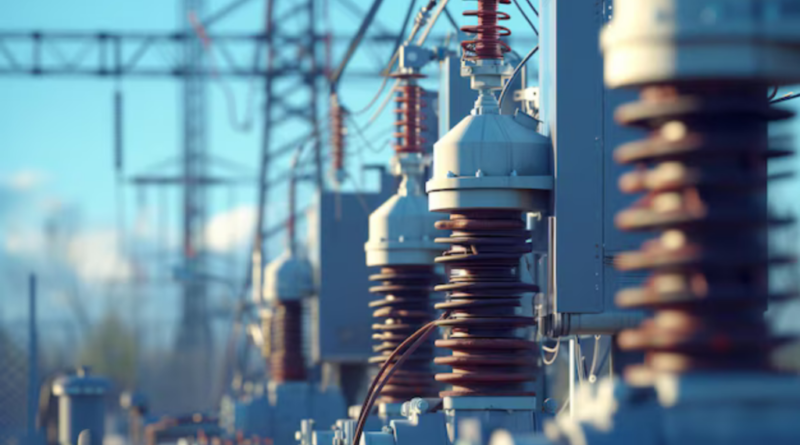
Transformers are responsible for voltage regulation. They adjust electrical power levels to meet the needs of different systems and devices. Whether the goal is to step down voltage for data servers or to integrate with backup power supplies, the right transformer directly impacts safety, efficiency, and performance.
Switchgear provides control and protection for the electrical system. It allows operators to isolate electrical faults, conduct maintenance safely, and ensure the continuous flow of electricity through complex networks.
For data-intensive operations, selecting the appropriate equipment is essential. From hyperscale data centers to smaller modular computing setups, every environment has specific requirements. Working with experienced vendors who offer both immediate availability and deep technical knowledge is key. That is why services that include quick-ship inventory and consultation are increasingly valued by decision-makers.
Building Infrastructure That Supports Business Growth
As data infrastructure grows, physical systems are pushed to their limits. Cooling systems, spatial layouts, and power delivery mechanisms must all adapt. If electrical components are outdated, poorly sized, or not scalable, they can become points of failure. This can lead to system downtime, degraded performance, and safety risks.
Effective planning anticipates these challenges. Here are several considerations for organizations investing in resilient data and AI operations:
- Scalability: Can the electrical system handle future expansions in processing power or data storage?
- Redundancy: Are backup systems in place to maintain operations during component failures?
- Compliance: Are power systems aligned with regulatory and safety standards relevant to the industry?
Modular infrastructure designs are becoming more popular. They allow organizations to increase capacity incrementally instead of redesigning from scratch. Taking these possibilities into account during the early planning phase can reduce costs and avoid unnecessary delays in the future.
The Interdependence of Artificial Intelligence and Energy
Artificial intelligence is increasingly used to improve how energy systems function. Algorithms can forecast usage patterns, detect faults, and balance load demands in real time. At the same time, these AI systems rely heavily on energy availability to function effectively.
This reciprocal relationship highlights an important truth. No matter how advanced the software or how powerful the analytics, they are only as reliable as the infrastructure that supports them. Without strong, dependable power systems, even the most sophisticated tools cannot operate at full capacity.
Therefore, creating resilient data environments means investing in both digital and physical infrastructure. Power planning is not separate from technology planning. It is a central part of it.
The Value of Choosing the Right Infrastructure Partner
Selecting a vendor that understands the complexity of power systems and the urgency of modern deployment timelines can simplify the entire process. Organizations benefit from partners who provide more than equipment. They need guidance, fast access to inventory, and a clear understanding of safety and compliance issues.
Look for providers who offer:
- A wide range of new and pre-owned inventory
- Technical support for system design and integration
- Expertise in compliance with industry standards
This type of partnership supports organizations beyond the purchase phase. It helps them build resilient systems that can keep pace with technological advancements and operational goals.
Whether you are setting up a new computing cluster, adding capacity to a mining operation, or replacing outdated systems in an existing facility, electrical infrastructure is a mission-critical element. When planned with care and implemented correctly, it enables everything else to perform as intended.
Artificial Intelligence – The Data Scientist