
Building A Data Science Startup In Southeast Asia From The Ground Up
 0
0
 0
0
Transitioning from building machine learning algorithms to building a scalable business is a monumental shift. For data scientists eyeing entrepreneurship, Southeast Asia represents one of the most compelling markets globally. The region offers a rapidly expanding digital economy, a vast and increasingly connected consumer base, and a growing corporate appetite for artificial intelligence solutions. As internet penetration deepens and mobile technology adoption accelerates, the underlying infrastructure is uniquely positioned to support advanced technological ventures.
However, successfully launching a tech venture requires much more than just a breakthrough predictive model. Founders must bridge the wide gap between technical innovation and operational reality. Moving from a theoretical concept to a fully functioning commercial enterprise demands rigorous planning, legal foresight, and a keen understanding of regional market dynamics. Without these foundational elements, even the most elegant codebase will struggle to achieve commercial viability.
The Booming Tech Ecosystem in Southeast Asia
Southeast Asia has evolved into a global powerhouse for digital innovation. Nations across the region are investing heavily in digital infrastructure, creating exceptionally fertile ground for founders who want to leverage predictive analytics and artificial intelligence. Governments are actively encouraging digital transformation, and traditional industries are eager to modernise their operations to maintain their competitive edge. The sheer diversity of the market provides numerous avenues for targeted technological intervention.
This growth is quantifiable and staggering. According to a July 2025 news release from Universitas Gadjah Mada, Indonesia ranks sixth globally for active startups, recording an impressive 3,161 active ventures. By surpassing several developed nations in entrepreneurial output, the country has proven its capacity to support and scale new digital businesses. For a data science founder, this environment offers both a massive total addressable market and a rich network of potential business-to-business clients who are hungry for data-driven optimisations.
Laying the Legal Groundwork Early
While developing the core product is naturally the primary focus for any technical founder, neglecting the administrative architecture of your business can prove disastrous. Entering emerging markets requires strict compliance with local regulatory frameworks, which are often complex and subject to sudden changes. The official process surrounding the formation and incorporation of company entities must be managed with immense care, particularly for foreign investors navigating direct investment regulations. Mistakes at this stage can lead to costly delays or operational roadblocks down the line.
Establishing a legal entity early on protects your intellectual property, limits your personal financial liability, and creates a clear, formalised vehicle for incoming venture capital investment. In jurisdictions across Southeast Asia, the rules governing data localisation, consumer privacy, and corporate ownership are highly specific. Partnering with regional corporate service experts ensures that your venture remains legally sound. This proactive approach allows you to focus your energy on product development and market research rather than getting bogged down by bureaucratic hurdles.
Validating Your Core Data Strategy
With your operational and legal foundation taking shape, you must rigorously validate the product itself. A surprisingly common pitfall for technical founders is building highly sophisticated models that fail to solve immediate, tangible business problems. Before you can scale your operations or seek major funding, you must ensure your data infrastructure is designed for long-term commercial viability. It is vital to align your algorithms with the specific pain points of your target demographic.
As highlighted in discussions on how to start a successful and empowering AI startup, founders must carefully plan how they collect, store, and utilise data from day one while maintaining a strong ethical foundation. Doing so not only addresses the immediate technical needs of your target market but also unlocks lucrative new avenues for future monetisation. A robust data strategy acts as the blueprint for your entire business operation. It dictates how you will ethically acquire proprietary datasets, train your algorithms effectively, and ultimately deliver measurable returns on investment to your end users. Without this strategic clarity and foresight, even the most advanced neural networks will struggle to gain meaningful commercial traction.
Assembling a Balanced Leadership Team
Building a data science startup requires a diverse set of skills that rarely exists in a single founder. While technical expertise is crucial for developing the product, a highly successful venture needs a balanced leadership team to navigate the commercial landscape. Creating a synergistic environment where technical and commercial minds collaborate seamlessly is essential for sustainable growth.
When hiring in Southeast Asia, consider structuring your core team to include the following essential roles:
- Commercial Leadership: You need someone who deeply understands the local enterprise market, can navigate complex corporate sales cycles, and speaks the language of regional decision-makers.
- Data Engineering: Hire professionals who can build resilient pipelines to clean and process the massive amounts of unstructured data prevalent in emerging markets.
- Product Management: Look for specialists who can seamlessly translate complex artificial intelligence capabilities into intuitive, user-friendly software interfaces.
- Compliance and Ethics Officers: It is vital to employ experts who understand regional data privacy laws and can ensure your algorithms meet local regulatory and ethical standards.
By combining local market knowledge with top-tier technical talent, your startup will be far better equipped to tailor its analytics solutions to regional nuances. This blending of skill sets ensures that your technical products are not only functional but also highly marketable.
Funding Strategies for Tech Ventures

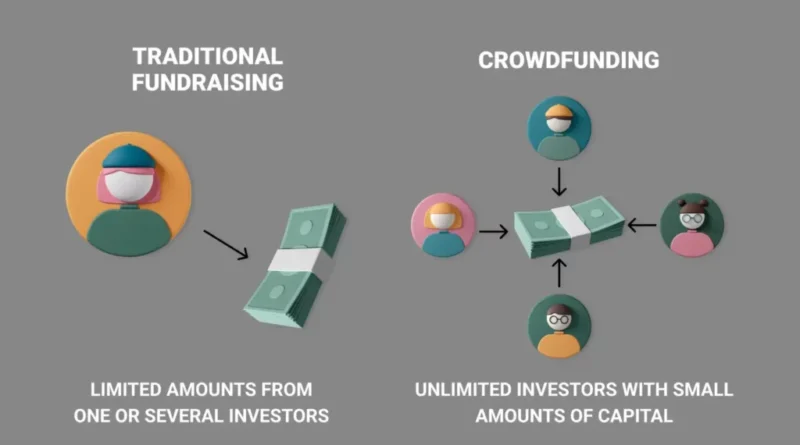
Securing capital is the next major hurdle for any emerging startup. Fortunately, venture capital activity in Southeast Asia remains robust, particularly for companies operating in the artificial intelligence and advanced analytics sectors. Investors are actively seeking platforms that can modernise traditional industries like agriculture, logistics, healthcare, and financial services. The integration of predictive models into these legacy sectors presents massive opportunities for scalable returns.
To attract this institutional investment, founders must present a highly compelling narrative. This involves demonstrating clear product-market fit, showcasing early customer adoption metrics, and proving that the underlying technology is highly scalable. Investors will scrutinise your unit economics just as closely as your code base. They want to see a clear path to profitability and a realistic, structured plan for regional expansion. Startups that have taken the time to formalise their corporate structure and solidify their data governance policies are significantly more attractive to institutional investors, as they present a fundamentally lower operational risk.
Scaling Across Borders
Once you have established a solid foothold in your initial market, the natural progression is regional expansion. However, Southeast Asia is not a monolith. It is a highly diverse region characterised by varying languages, distinct consumer behaviours, and vastly different digital infrastructure capabilities. A predictive model trained on consumer data in one specific country may not perform accurately when applied to a neighbouring demographic. Understanding these nuances is paramount for successfully penetrating new territories.
Scaling requires the continuous retraining of your models and the agile adaptation of your business strategy. You must carefully localise your product offering while maintaining the core efficiency of your underlying technology. This phase of aggressive growth tests the ultimate resilience of the strategic and legal foundations you laid on day one. A robust initial setup ensures that cross-border transitions are as smooth as possible.
Conclusion
Launching a tech venture in Southeast Asia offers unparalleled opportunities for data scientists who are willing to step out of the laboratory and into the entrepreneurial arena. By securing your corporate framework early, developing a comprehensive and ethical data strategy, and assembling a commercially savvy team, you can successfully transform complex algorithms into a thriving enterprise. The transition from technical expert to startup founder is undeniably challenging, but the potential to shape the digital future of an entire region makes the journey incredibly rewarding.
Artificial Intelligence – The Data Scientist