
How Smart Parking Technology Reduces Traffic Congestion in Cities?
 0
0
 0
0
Urban congestion remains one of the most persistent mobility challenges facing modern cities. While rising vehicle numbers often receive the most attention, a significant portion of traffic congestion is caused by drivers searching for parking.
In the United States, drivers spend hours each year searching for parking, increasing travel time, fuel consumption, and emissions.
To address this challenge, cities are increasingly adopting smart parking technologies that leverage connected infrastructure, real-time data platforms, and intelligent analytics. These systems are often integrated with parking management systems to guide drivers to available spaces more efficiently while enabling city authorities to manage curbside demand with greater precision.
Why Parking Search Traffic Causes Urban Congestion?
Traffic congestion is not always caused by too many vehicles on the road. In many cases, it occurs when drivers circulate slowly through busy districts while searching for parking.
Drivers searching for parking frequently:
- Slow down traffic while scanning for open spaces.
- Stop suddenly when a spot becomes available.
- Circle the same streets repeatedly.
These behaviors disrupt the natural movement of traffic and create bottlenecks around commercial districts, offices, and retail areas. Over time, thousands of drivers searching for parking contribute significantly to slow traffic speeds across urban centers.
This is why smart parking solutions for urban traffic management have become an important tool for city transportation systems.
Let’s understand how smart parking technology can reduce traffic congestion in cities:
#1 Real-Time Parking Availability Reduces Cruising
One of the most effective ways smart parking technology to reduce traffic congestion and improve mobility is by eliminating the need for drivers to cruise through streets searching for parking.
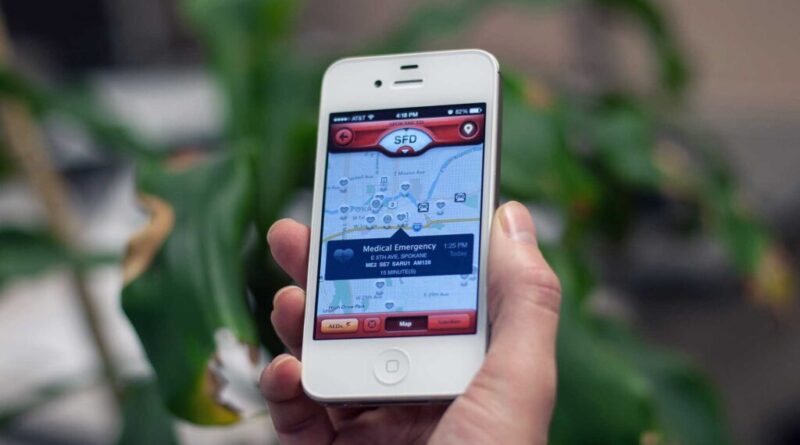
Sensors and AI cameras detect when parking spaces become available and instantly send this information to centralized platforms. Drivers can access the data through mobile apps, navigation tools, or digital street signs.
Instead of circling blocks repeatedly, drivers can go directly to available spaces. This reduces unnecessary vehicle circulation and improves traffic flow.
These systems demonstrate clearly how smart parking systems reduce traffic congestion in dense urban areas.
#2 Parking Guidance Systems Improve City Traffic Flow
Parking guidance systems play an important role in improving smart parking technology for city traffic flow.
These systems use real-time data to direct drivers toward available parking facilities or street parking zones. Digital signage placed at intersections or parking entrances shows the number of available spaces in nearby locations.
When drivers know where parking is available, they avoid unnecessary detours and repeated loops through crowded streets.
By distributing vehicles more evenly across parking areas, guidance systems support smart parking solutions for urban traffic management and help maintain smoother traffic circulation.
#3 Smart Curbside Monitoring Prevents Traffic Bottlenecks
Urban curbsides are often among the most congested parts of city streets. Delivery vehicles, ride-hailing pickups, and illegally parked cars can block traffic lanes and disrupt vehicle movement.
Smart parking platforms now include AI-powered curbside monitoring technologies that track curb usage in real time.
These systems can detect:
- illegal parking
- double parking
- loading zone violations
- unauthorized stopping
By identifying violations quickly, city authorities can enforce regulations more effectively and keep traffic lanes clear.
As part of smart parking solutions for urban traffic management, curbside monitoring helps reduce congestion in high-demand areas.
#4 Dynamic Parking Pricing Balances Demand
Another key feature of smart parking technology to reduce traffic congestion is dynamic parking pricing.
Traditional parking pricing often remains fixed regardless of demand. During peak hours, this can cause overcrowded streets where drivers compete for limited parking spaces.
Smart parking platforms analyze occupancy data and adjust prices based on demand levels. Higher prices during peak times encourage drivers to park in alternative locations.
This approach helps distribute vehicles more evenly across available parking areas and supports smart parking technology for city traffic flow.
#5 Integration With Urban Mobility Platforms
Modern cities increasingly integrate real-time parking systems for cities with broader mobility and traffic management systems.
Parking availability data can be connected with:
- traffic management centers
- navigation and routing systems
- public transportation platforms
This integration allows navigation apps to guide drivers toward areas where parking is available instead of sending them through already congested zones.
By combining traffic and parking data, cities improve mobility planning and demonstrate how smart parking systems reduce traffic congestion across entire transportation networks.
Smart Parking in Action: The SFpark Initiative

A widely cited example of smart parking technology to reduce traffic congestion is the SFpark initiative in San Francisco.
The program deployed smart parking sensors across several neighborhoods to monitor parking availability in real time. Using this data, the city implemented demand-based pricing and provided drivers with real-time parking information.
The results were significant:
- 43% reduction in parking search time
- 30% reduction in miles driven while searching for parking
These outcomes highlight how smart parking management systems for cities can deliver measurable improvements in traffic efficiency.
What Are The Environmental Benefits of Smart Parking?
Reducing congestion through real time parking systems for cities also creates important environmental benefits.
When drivers find parking faster:
- fuel consumption decreases
- vehicle emissions decline
- air quality improves
Fewer vehicles circulating in search of parking reduce unnecessary idling and traffic congestion.
These environmental advantages further reinforce the value of smart parking technology for city traffic flow in modern urban sustainability strategies.
Wrapping Up
Urban congestion is a complex issue, but a significant portion of city traffic is caused by drivers searching for parking. By providing real-time visibility into available spaces and improving curbside management, smart parking technology to reduce traffic congestion offers a practical solution to this challenge.
As cities continue investing in digital mobility infrastructure, smart parking solutions for urban traffic management will play an increasingly important role in creating smarter, more efficient, and less congested urban environments.
Artificial Intelligence – The Data Scientist