Deepfakes became one of the biggest threats in cybersecurity
 0
0
 0
0
Do you remember the early AI video trend of Will Smith eating spaghetti? Sure, you could tell who it was and what he was doing, but could it pass for real? Never. The models behind the clip were trained on limited data and produced results that were laughable.
Today, AI can create audio and video of people doing and saying things they never have, and the accuracy fools even family members. Traditional cyberattacks target systems. Deepfakes work differently. They target human trust, and they are making it harder to know whether what you see or hear online is real.
What deepfakes are and how they work
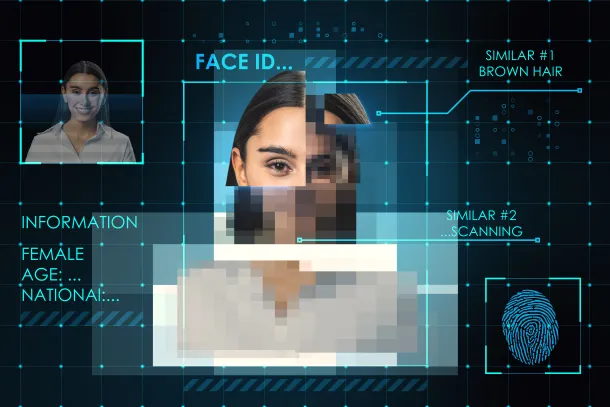
To put it simply, deepfakes are synthetic media. The AI platform maps a person’s face onto another person’s body, or creates new movements to match the needed dialogue. Voice cloning works in a very similar way. An AI model studies existing recordings of a person’s speech, then creates speech that sounds almost the same.
Even though deepfakes are dangerous in the wrong hands, with the right application, they can help support creative work. Film studios use similar technologies to deepfakes. For example, they recreate historical figures or adjust dialogue in post-production. Companies use AI for instant translation, while keeping the tone of the original. That same technology, though, can be used by criminals for scamming. To make it even worse, recent advances have made the AI models that do this much easier to access.
Cyber dangers of deepfakes

Most of the usual cybersecurity threats focus on system penetration and data exfiltration. Deepfakes work in a much different way. Rather than just attacking software or network vulnerabilities directly, the target is human.
With a realistic video emailed to the right person, they could be phished to do things they never would otherwise. An attacker could emulate a department head or executive and request an urgent payment transfer or account update. If the video is realistic enough, they might do it without a second thought.
Looking at the long-term impact, deepfakes are set to complicate online verifications as well. When manipulated videos spread, it can get difficult to say what’s real and what’s not. The erosion of trust increases confusion during critical situations or events.
The threats don’t stop at ransomware
For a long time, ransomware was the dominant cybersecurity conversation. These are the attacks that lock out the users and encrypt the systems until the victim pays a ransom. Attackers design these payments to cause huge financial stress and disruption to a business operation. Even though ransomware is a real threat, deepfakes have raised the risk of social manipulation beyond what ransomware can achieve.
Ransomware targets infrastructure or data within a specific organisation. Deepfakes influence people and the general public opinion on a much larger scale. A convincing video of a CEO or politician going on a controversial tirade could destroy their career — even if the video is entirely fabricated. The damage can last for a long time after the original deception has been uncovered. Even when a deepfake gets exposed, the content may continue to circulate.
Securing digital communication in the deepfake age
Technology plays an important role in protecting digital communication. When people access sensitive information online, secure connections reduce the risk of someone who is not authorised monitoring it. Some users look for the fastest VPN on the market that gives them the encrypted internet access they need. Encrypted connections help prevent attackers from intercepting or manipulating data while it travels across networks.
Organisations are beginning to introduce stronger verification procedures for sensitive requests. For example, teams may need to confirm financial transactions or access changes through multiple channels before they can approve them. Some companies even run simulated deepfake exercises. Staff receive fabricated video or audio requests and are evaluated on their responses afterwards. The goal is to get people used to spotting pressure tactics like false urgency and fake authority figures. Building muscle memory matters. Even the best verification policy fails if employees don’t follow it under pressure.
The future of trust in digital media
Deepfakes aren’t going away, and most likely, they’re going to get more convincing. It’s not going to get any easier for viewers to tell the difference between real and manipulated. At the same time, though, researchers and security professionals are fighting back. Governments are stepping in as well. Industry standards for content authentication are taking shape.
No matter what the future holds, awareness will always be one of the strongest defences people have. Protecting trust in digital systems will need tech solutions and good old-fashioned human caution.
Artificial Intelligence – The Data Scientist