How AI Is Transforming Customer Segmentation and Targeting
 0
0
 0
0
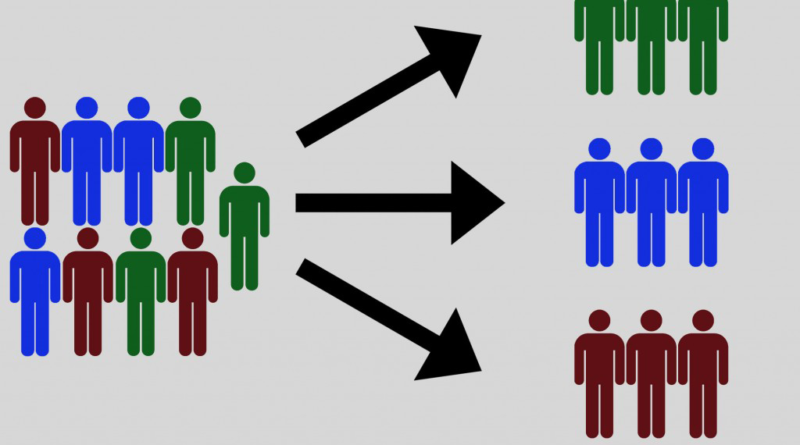
Without proper segmentation, it’s nearly impossible to create tailored campaigns that truly resonate with your target audience. And while segmentation is no new concept, AI is transforming customer are quickly outperforming traditional approaches.
Innovative AI digital marketing agencies are already adopting an AI-first mindset, leading the way with more efficient processes, greater personalization, and real-time segmentation that scales based on business needs.
Put simply, traditional segmentation is no longer enough in a data-heavy world. In this article, we’re dissecting the role of AI in segmentation, its business benefits, and more.
The Limitations of Traditional Segmentation
Before jumping into the role of AI, we need to take a closer look at traditional segmentation to better understand where it falls short.
- Rule-based segmentation: Traditional segmentation often relies on predefined rules, such as age, location, gender, or purchase history. While useful, these rigid criteria fail to capture deeper behavioral patterns, intent signals, or evolving customer journeys.
- Static customer groups: Fixed customer lists fail to accommodate constantly evolving customer preferences and behaviors. Because customer needs and expectations change daily, static segments often result in outdated profiles and irrelevant targeting.
- Manual data analysis: Manual data analysis is time-consuming, labor-intensive, and prone to human error. The lengthy process also delays insights, making it difficult to adjust campaigns quickly enough to keep pace with changing behaviors and market trends.
- Missed personalization opportunities: Traditional approaches typically group customers into broad categories, limiting the ability to deliver highly personalized messaging. As a result, businesses may overlook micro-segments and individual buying intent signals that could improve engagement and conversions.
- How AI Enhances Customer Segmentation
The real question is: What role does AI play in customer segmentation?
Let’s break it down:
- Behavioral & Predictive Segmentation

AI analyzes browsing behavior, purchase history, and engagement patterns to segment audiences with greater accuracy. In addition to improving efficiency, it also identifies patterns that humans may overlook.
Beyond providing real-time updates tailored to current customer needs, AI can use predictive analytics to anticipate future behaviors.
Put simply, this enables marketers and companies to target customers before they even take action, a level of segmentation and automation that’s difficult to achieve with traditional approaches.
- Real-Time Dynamic Segmentation
AI is capable of analyzing customer data in real time. For example, AI can detect when audiences begin responding differently to a campaign. It can then use this information to adjust campaigns automatically, leading to more precise targeting.
As customer behavior shifts, whether through clicks, browsing patterns, or engagement timing, AI updates audience segments instantly, ensuring messaging stays relevant and context-driven.
- Micro-Segmentation at Scale
Micro-segmentation goes beyond broad categorizations by identifying niche audiences and intent signals that traditional, manual methods often miss. The best part?
This level of precision can be achieved at scale with artificial intelligence, without adding manual complexity.
According to a recent study, machine learning algorithms can identify hidden customer patterns, purchase triggers, and emotional motivators by processing massive amounts of unstructured data from digital touchpoints. In SaaS and retail industries, AI-driven segmentation has led to a 25–40% improvement in campaign performance.
- AI-Powered Targeting Strategies
In addition to segmentation, AI-powered tools refine targeting strategies even further. Here’s how:
- Personalized Messaging & Offers
AI creates tailored content recommendations, product suggestions, and personalized promotions based on individual behavior and preferences. Behind the scenes, machine learning models continuously evaluate engagement data to refine targeting decisions and improve message relevance over time.
This is a huge benefit for companies. According to McKinsey & Company, 71% of consumers expect companies to deliver personalized interactions, and 65% consider targeted promotions a top reason to make a purchase.
- Predictive Campaign Optimization
AI doesn’t just create personalized messaging; it also determines the optimal channel and timing for each campaign. By analyzing historical data and customer behavior, it predicts when and where a message is most likely to drive engagement.
Even more, AI can automate and optimize A/B testing by continuously evaluating variations in subject lines, content, and calls to action to determine what performs best.
This adds another layer of customization to campaigns, ensuring each customer receives the right message at the right time through the most effective channel.
- Look-alike Modeling
Lookalike modeling is an effective targeting technique that helps marketers identify new potential customers. Essentially, it’s the secret to smarter targeting, with AI serving as the backbone of the strategy. So how does it work?
Using machine learning, AI analyzes existing customer data to identify shared traits and behavioral patterns among high-value customers. This means companies don’t have to start from scratch when searching for new audiences; instead, AI helps pinpoint the characteristics that define their best customers, such as purchasing behavior and demographics.
Look-alike modeling can boost ROI by up to 30% by accurately identifying high-value prospects, making it a must-have strategy for forward-thinking companies.
- Business Benefits
With innovative companies already implementing AI-driven customer segmentation and targeting, it should come as no surprise that this approach delivers measurable business benefits.
Rather than gatekeeping these benefits, we’ve listed the top reasons why you should adopt AI tools:
- Enhanced customer experience: When customers receive timely, relevant, and personalized interactions, their overall experience improves. This not only increases satisfaction but also builds long-term trust and brand advocacy.
- Higher conversion rates: It’s simple. Greater personalization leads to higher conversions. Tailored campaigns address specific pain points, appeal to individual interests, and reach customers at the moments they’re most likely to engage.
- Improved customer retention: Greater personalization also makes existing customers feel more valued. By delivering relevant recommendations and meaningful interactions, companies can strengthen brand loyalty and encourage repeat purchases.
- Increased resource efficiency: AI streamlines day-to-day processes, automating data analysis, segmentation, and campaign optimization. This allows your team to focus on higher-value strategic initiatives while AI optimizes campaigns in real time.
- Increased ROI: By optimizing campaigns and targeting higher-intent audiences, AI reduces wasted ad spend and improves overall marketing performance. In other words, it has a direct and measurable impact on the ROI of marketing efforts.
Final Thoughts
AI tools are quickly becoming a key part of modern marketing strategies. They make segmentation and targeting smarter, faster, and more effective.
So much so that failing to adopt them can have the opposite effect. As consumers increasingly receive hyper-personalized campaigns, their expectations continue to evolve. This means companies that don’t adopt AI risk falling behind competitors that do.
So ask yourself: How can AI benefit your campaigns? What opportunities might you be missing by relying on traditional segmentation alone?
Artificial Intelligence – The Data Scientist